Most people don’t want to hear this, but I’m going to say it anyway because it’s the truth:
If you’re not sleeping, you’re not healing.
There is no workaround. No shortcut. No secret practice that replaces the simple act of letting your body drop into the night.
I spent years watching this play out in clinic. Patient after patient would sit across from me, exhausted, anxious, inflamed, overwhelmed, barely holding themselves together — and then casually mention they were getting five hours of sleep, or waking three or four times a night, or staying up until 1 a.m. scrolling, or “just pushing through” because they had things to do. As if their physiology were optional. As if the body wouldn’t notice.
They’d ask for herbs, needles, breathwork, diet changes — anything except the thing they actually needed:
to go to bed.
And I get it. Sleep feels like surrender. Sleep means letting the guard down. For those of us who grew up with chaos, uncertainty, or covert stress in the home, nighttime was often when things felt the least safe. Hypervigilance becomes habit. Stillness becomes a threat. So of course sleep feels uncomfortable. Of course we learned to stay awake as long as possible.
But here’s the thing:
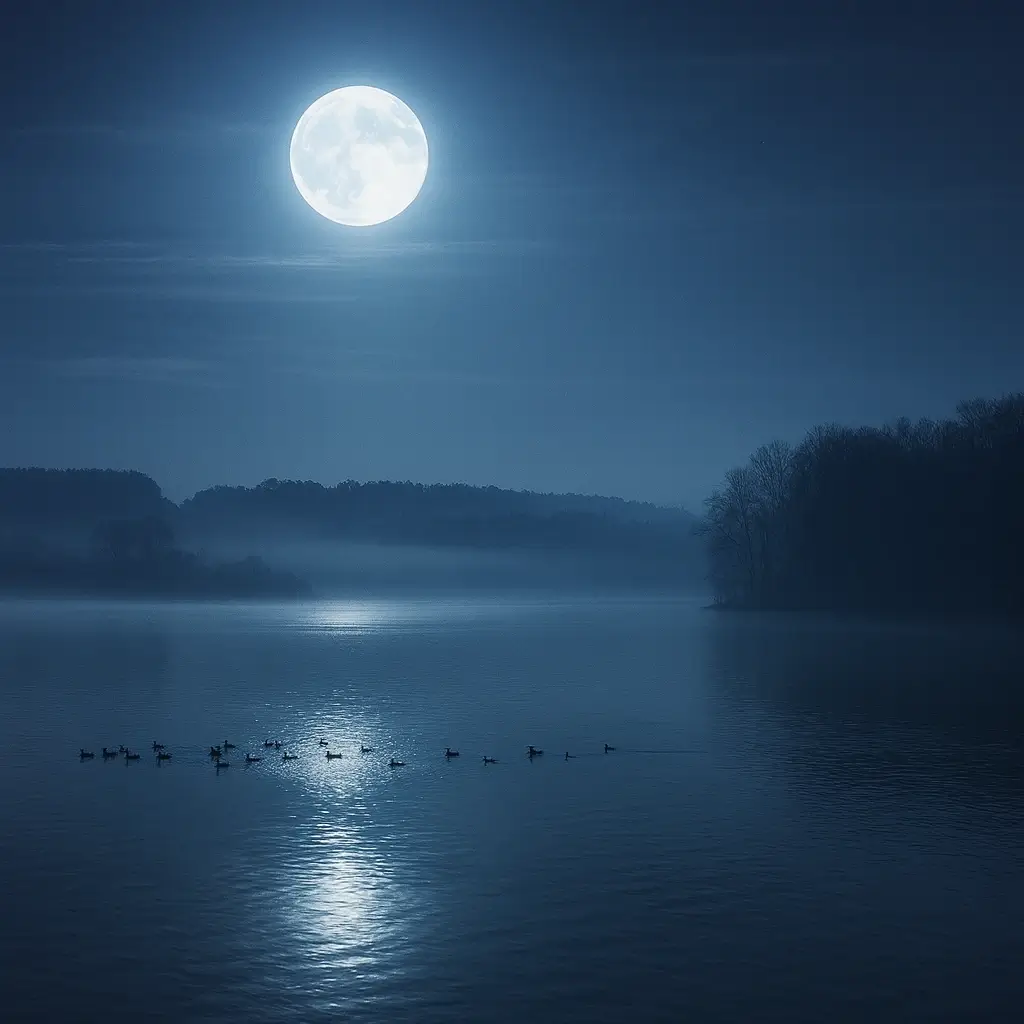
Your body doesn’t care about your survival strategies. It cares about rhythm. It cares about repair. It cares about the deep yin phase of night that rebuilds you from the inside out. And when you refuse to give it that — when you override the nightly descent into stillness — the cost is immediate and cumulative.
In Daoist terms, you’re burning through your jing, scattering your shen, and tying your qi in knots.
In trauma terms, you’re keeping your nervous system locked in defense mode, unable to reset.
And in plain language:
You’re making your own life harder than it needs to be.
I don’t say that to shame anyone. I say it because I’ve watched the same pattern for decades. People underestimate sleep the way people underestimate grief — quietly, stubbornly, as if ignoring it makes it less essential. But sleep is where regulation happens. It’s where the liver unpacks the day, where the heart settles, where the kidneys recharge, where the mind reorganizes itself, where the emotional overload finally finds a place to drain.
And every time you cut it short, or delay it, or fragment it, you steal from tomorrow’s capacity to function.
If you have a history of childhood complex trauma, this effect is magnified tenfold. Trauma disrupts cycles — the cycles of breath, digestion, hormones, emotions, attention, energy. But the deepest cycle of all is the daily swing of yin and yang. Night is the yin anchor. If you don’t respect night, everything else becomes unstable.
This is why so many trauma recovery strategies fall flat. People try to meditate without sleeping. They try to process emotions without sleeping. They try to regulate their nervous system without sleeping. They try to “heal” while living completely out of rhythm with the basic architecture of nature.
You can’t outthink dysregulation.
You can’t outwork it.
You can’t talk therapy your way around it.
The night has a job to do, and when you skip it, your system pays the price.
I know this might sound dramatic, but honestly? I’m tired of downplaying something that is this fundamental. Sometimes the thing that feels too simple to matter is the exact thing you’ve been avoiding. Sometimes the most “spiritual” practice you can do is turning off the lights at 10 p.m. and getting in the damn bed.
Sleep is the first reset.
Sleep is the first nourishment.
Sleep is the first medicine.
If you ever want a chance at deeper healing, you start here.
Not with complexity.
Not with brilliance.
Not with discipline.
With the most ordinary, annoying, unavoidable truth:
You need to sleep.
Not when you feel like it.
Not when life lets you.
But every night, aligned with the actual rhythm of the world you live in.
If you don’t sleep, you don’t heal.
It’s that simple — and that hard.